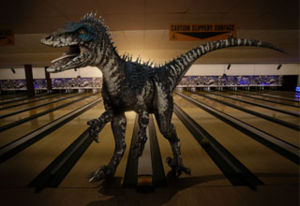
008 Mosasaur
Mosasaurs were serpentine marine lizards and ferocious predators. Mosasaurs were not dinosaurs but evolved from semi-aquatic squamates known as the "aigialosaurs", close relatives of modern-day monitor lizards. Mosasaurs breathed air and were powerful swimmers that were well-adapted to living in the warm, shallow epicontinental seas prevalent during the Late Cretaceous Period. They grow up to 17 meters long but the longest ever recorded was 17.5 meters long.

009 Hesperornis
Hesperornis is an extinct genus of flightless aquatic birds that lived during the Late Cretaceous. Hesperornis were very large birds, reaching up to 2 metres (6.5 feet) in length. They had virtually no wings and hunted in the waters of the North American Inland Sea.

010 dodo
The dodo (Raphus cucullatus) was a flightless bird endemic to the Indian Ocean island of Mauritius. Related to pigeons and doves, it stood about a metre tall, weighing about 20 kilograms (44 lb), living on fruit and nesting on the ground. The dodo has been extinct since the mid-to-late 17th century.

011
TheParasite was an unnamed cestoid creature that used other creatures as hosts.The parasite would make the host unusually aggressive, and could only spread through biting. The host would later die.
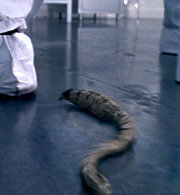
012 Anurognathus
Anurognathus was a tiny pterosaur that had a short head, pin-like teeth for catching insects, and although it traditionally is ascribed to the long tailed pterosaur group, its tail was comparatively short, allowing it more manoeuvrability for hunting in woodland. With a wingspan of 50 cm (20 inches) and a 9 cm long body (skull included), it could not have weighed more than a few grams.
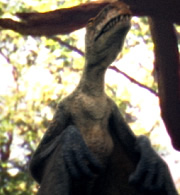
013 Protosolpugidae
The Giant Arachnid, are despite appearances, not true spiders (order Araneae), but a species of Solifugae, a distinct arachnid order.The name derives from Latin, and means those that flee from the sun. 'Sol' is sun, 'fugids' as if in fugitives and flee.
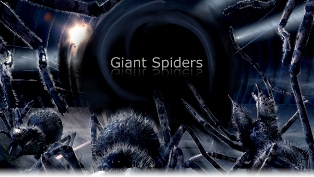
014 Deinonychus
Deinonychus, also known as "raptor", was a dinosaur from the Cretaceous era. It appeared in Episode 2.1, and was the first true dinosaur to appear in Primeval.Males are presumably more durable than females, as the team was able to put a female to sleep with one dart and it took as much as three for the male.